Plateaued despite effort
Diet and training help, but the scale stopped moving.
Physicians licensed in AlbertaDiscreet delivery
Weight Loss
GLP-1 medications have changed what’s possible. Our physicians pair them with ongoing support and a long-term plan built around you.

VeyroMD Weight Loss
Prescribed only if appropriate
Diet and training help, but the scale stopped moving.
Hunger and food noise make consistency exhausting.
Visceral fat that affects how you look and feel.
Carrying extra weight leaves you tired and less active.
Blood pressure, blood sugar or cholesterol heading the wrong way.
You want a sustainable approach, not another short-term diet.
How it works
Assess
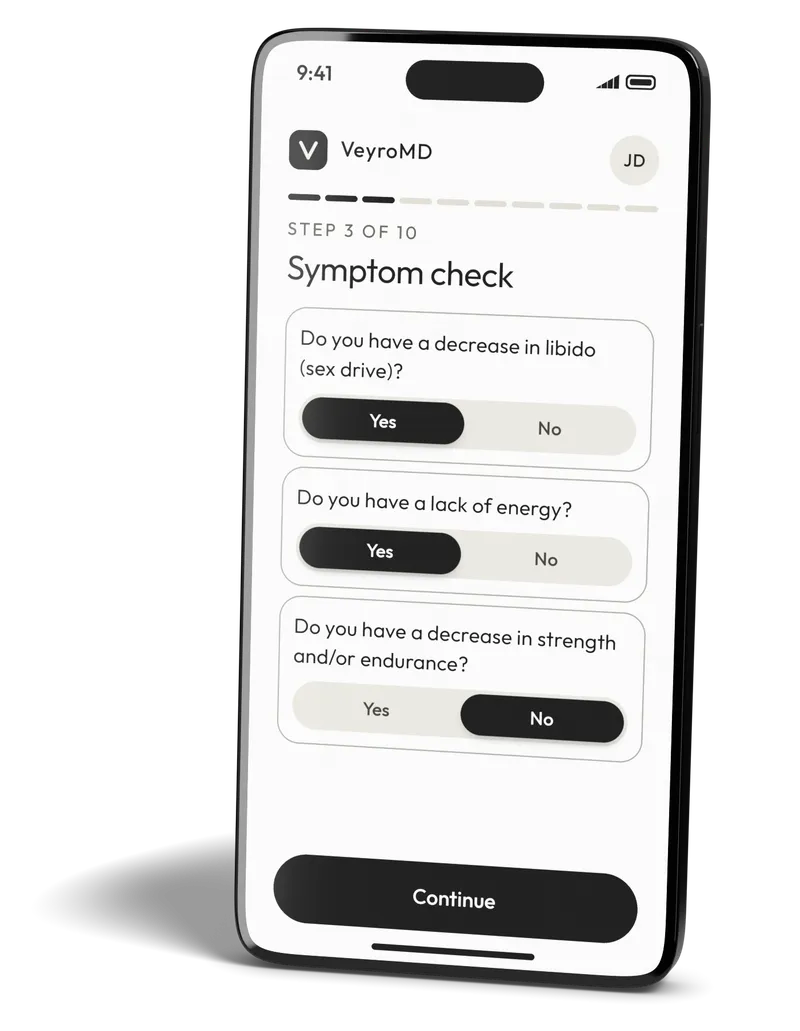
Answer questions on your height, weight, health history, medications and allergies.
Consult
After you sign up, your physician reviews your eligibility and any bloodwork needed, then builds your plan.
Start
If appropriate, your prescription ships to your door with clear instructions.
Support
Regular check-ins to manage side effects, adjust your dose and track your progress.

Dr. Adrian Hrynchuk
Medical Director
GLP-1 medications are generally prescribed for adults with a BMI of 30 or higher, or 27 or higher with a weight-related condition such as high blood pressure or type 2 diabetes. Your physician makes the final decision.
Results vary. In the SURMOUNT-1 trial, participants on the highest dose of tirzepatide lost an average of 20.9% of their body weight over 72 weeks, alongside diet and exercise.
The most common are nausea, diarrhea, constipation and reduced appetite. They are usually mild and most noticeable when starting or increasing a dose, which is why your physician increases your dose gradually.
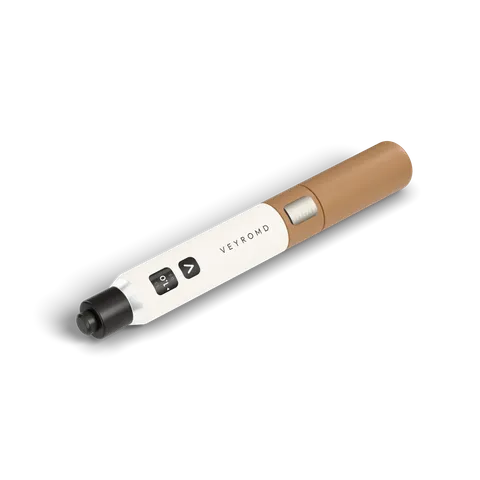
GLP-1 medications are taken as a small weekly injection with a fine needle. Your care team will show you exactly how, and most people find it quick and easy.
Some weight may return after stopping medication. Your physician will help you plan for the long term, including how and when to taper.
GLP-1 medications should not be used by people with a personal or family history of medullary thyroid carcinoma or Multiple Endocrine Neoplasia syndrome type 2 (MEN 2), and a history of pancreatitis needs physician review. Common side effects include nausea, vomiting, diarrhea and constipation. Less common but serious risks include pancreatitis, gallbladder problems and low blood sugar when used with certain medications.